
Navigating the World of Modern Electric Bicycles: A Practical Guide
Picture this: You’re standing at your front door, looking at the keys to your car, then looking at the bicycle gathering dust in the garage. You think about the commute ahead—the gridlock, the hunting for parking, the rising fuel costs. You want to make a change, but you aren't sure if your fitness level is quite up to tackling those hills on a traditional pedal bike. Maybe you've heard friends talking about how they arrive at work without breaking a sweat, or perhaps you've seen someone zip past a line of frustrated drivers in the bike lane.
That’s the moment the idea of an electric bicycle starts to make a lot of sense. It isn't just about cheating or making things easier; it’s about accessibility and efficiency. It turns a chore like commuting into a refreshing morning ritual. However, entering the market for the first time can feel like walking into a maze. There are fat tires, skinny tires, folding frames, mid-drive motors, and batteries with enough capacity to power a small village.
You’re likely asking yourself: "Do I actually need all this power? How much does it cost to maintain? Can I store it in my apartment?" These are valid concerns. Most entry-level bikes are heavy, and the "folding" ones often feel like you’re trying to solve a Rubik’s cube every time you board a train or enter your home. You don't need a PhD in engineering to get around, but you do need something that fits your lifestyle. Whether you’re looking to replace a second car or just want a weekend cruiser for local trails, the key is balancing utility with portability. Let’s talk about how to separate the marketing fluff from the features that actually make a difference in your day-to-day life.
The Evolution of Urban Commuting
The landscape of personal transportation has changed rapidly. We used to choose between expensive vehicle ownership or exhausting public transit. Now, the middle ground has been claimed by electric power. When you're searching for the right setup, you aren't just buying a motor; you're buying back your time. The best bikes for urban environments are those that bridge the gap between agility and power.
Introducing the ENGWE EP-2 3.0
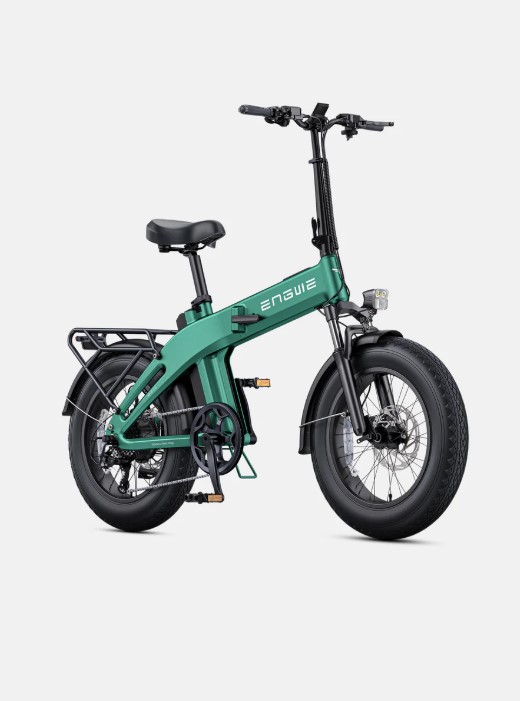
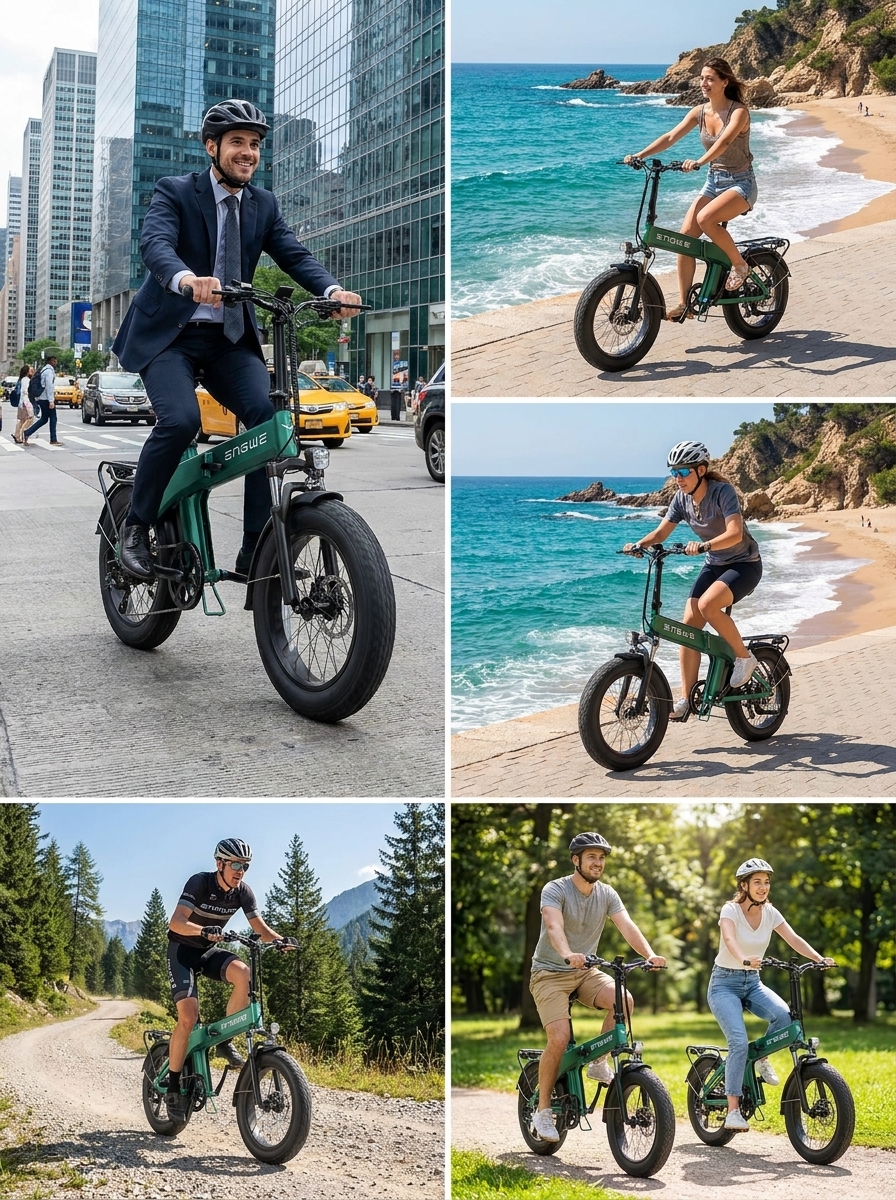
When you start looking for a reliable, value-driven ride, you'll inevitably run into the ENGWE EP-2 3.0. This model has gained a lot of traction because it hits that "sweet spot" for many riders—it's robust enough for uneven pavement and hills, yet compact enough to stow away in a closet or a car trunk.
📹 Watch It In Action
✅ What We Love
- Fat Tires: Provide excellent stability on loose gravel or sand.
- Folding Design: Makes storage in small apartments or trunks manageable.
- Value for Money: High performance-to-price ratio compared to luxury brands.
⚠️ Consider This
- Weight: At over 70 lbs, it’s not something you want to carry up three flights of stairs daily.
- Seat Comfort: Stock saddles are firm; you might want an upgrade for long rides.
🔥 Official Pricing & Offers
Check the latest manufacturer promotions and current availability.
🚴 View Price on Official StoreCustomer Feedback

📦 Shipping Policy
For the most up-to-date information on delivery times and regional shipping, please visit their official shipping policy page.
Frequently Asked Questions
Q: How difficult is it to assemble?
Most arrive 85% pre-assembled. You'll typically need to attach the handlebars, front wheel, and pedals. If you have basic mechanical aptitude, it takes about 30-45 minutes.
Q: Can I ride this in the rain?
The components are water-resistant, but they aren't waterproof. You can ride in light rain, but avoid deep puddles and never submerge the battery or motor.


Social Plugin