
Navigating Dublin on Two Wheels: The Ultimate Guide to E-Bikes
Dublin is a city defined by its history, its vibrant culture, and increasingly, its commitment to greener transport. As the city continues to expand its cycle lane infrastructure, more residents and commuters are turning to electric bicycles (e-bikes) to navigate the unique challenges of the Irish capital. Whether you are dealing with the morning commute through the Docklands, heading to UCD, or simply enjoying a weekend trip to Phoenix Park, e-bikes are changing the way Dublin moves.
Why E-Bikes are Perfect for Dublin
Dublin’s terrain is relatively flat, but the city’s weather and urban density make transport planning a priority. E-bikes offer the perfect middle ground between the sweat-inducing effort of a traditional bicycle and the frustration of sitting in traffic on the Quays or dealing with unpredictable public transport schedules. With electric pedal assist, you can arrive at your office or café fresh, regardless of the wind or slight inclines.
Furthermore, e-bikes in Dublin offer significant cost savings. When you factor in the rising costs of fuel, parking, and public transport fares, an electric bicycle pays for itself relatively quickly. The "Cycle to Work" scheme in Ireland also makes the initial investment much more accessible, encouraging more citizens to adopt this sustainable mode of transport.
Key Buying Factors for Irish Streets
Before selecting an e-bike, consider the specific environmental factors of Dublin. The city frequently experiences rain and high humidity. Therefore, choosing a bike with high-quality components, mudguards, and reliable brakes is non-negotiable. Additionally, security is a major concern; Dublin, like any major city, has a risk of bike theft. Investing in a folding e-bike or ensuring you have a heavy-duty D-lock is essential.
- Range: Ensure the battery capacity covers your typical daily round trip with room to spare for cold-weather battery drain.
- Tire Type: Fat tires offer superior stability on tram tracks and cobblestone streets often found in Temple Bar or historic districts.
- Portability: If you live in an apartment, a foldable frame can save you precious square footage.
Comparison: Fat Tire vs. Standard Tire E-Bikes
| Feature | Fat Tire E-Bikes | Standard Tire E-Bikes |
|---|---|---|
| Terrain Capability | Excellent for wet roads & cobblestones | Best for smooth, dry city asphalt |
| Comfort | High (natural shock absorption) | Moderate |
| Portability | Heavier | Lighter |
| Maintenance | Higher (more rubber contact) | Standard |
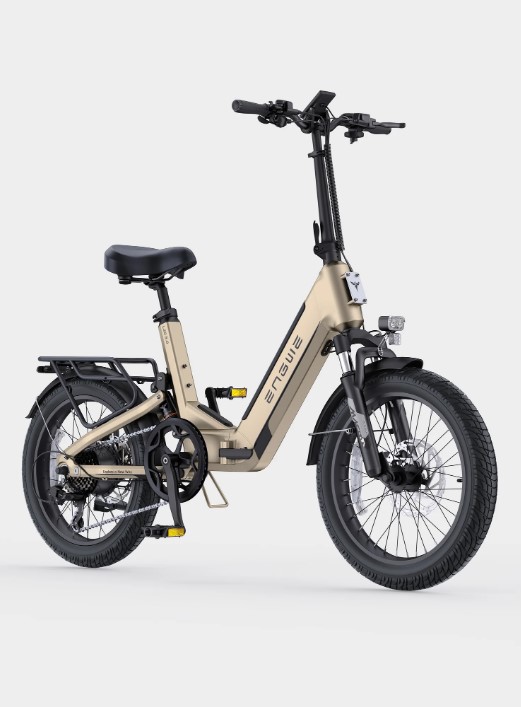
Introducing the ENGWE EP-2 3.0
When looking for a reliable, powerful, and versatile option that fits the diverse needs of a Dublin commuter, the ENGWE EP-2 3.0 stands out. This fat tire e-bike is designed to handle the varied surfaces of the city—from smooth bike lanes to the uneven paths near the canals—with ease. Its robust frame and electric assist mean that even the strongest coastal winds won't stop your commute.
If this model matches your riding needs, you can check the latest official pricing below.
🔥 Limited-Time Official Discount
Check today's official price and available promotions before stock changes.
🚴 Check Today's Price✅ Official Store ✓ Secure Checkout ✓ Fast Shipping
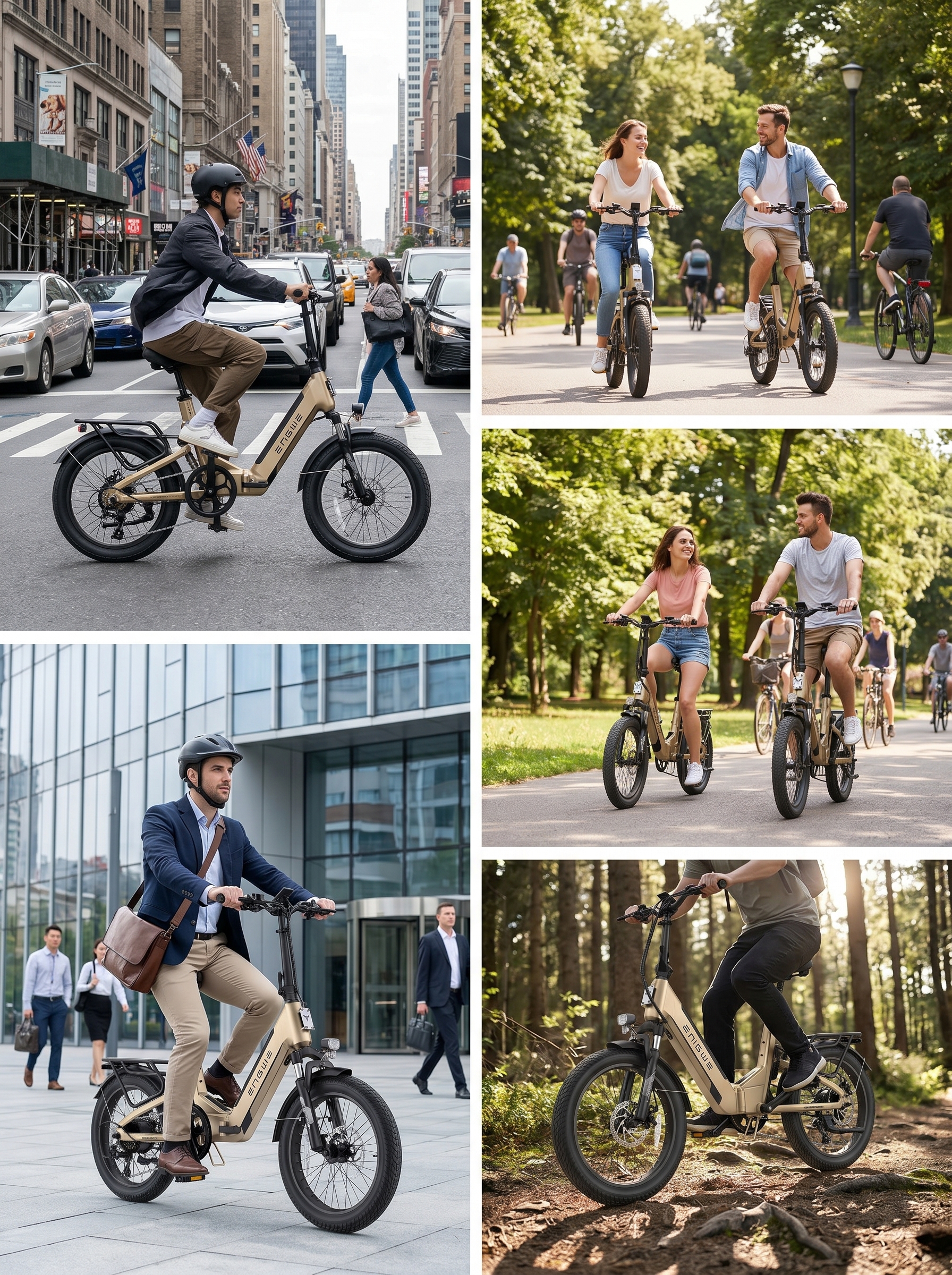
What Real Customers Say About ENGWE

🔥 Limited-Time Official Discount
Check today's official price and available promotions before stock changes.
🚴 Check Today's PriceMaintenance Tips for Dublin Riders
To ensure your e-bike lasts through the Irish winters, store it indoors whenever possible. Keep the battery topped off during cold spells, as lithium-ion batteries perform better when kept at room temperature. Regularly check your chain for rust, especially after riding in heavy rain, and keep your tires at the recommended pressure to ensure optimal range and safety.
FAQ Section
- Are e-bikes legal in Dublin? Yes, pedal-assist e-bikes are legal, provided the motor does not exceed 250W and stops assisting once you reach 25km/h.
- Is the ENGWE EP-2 3.0 suitable for Dublin weather? It is built for durability, but like any electronic, it should be kept dry and maintained to prevent corrosion from salt and moisture.
- Can I use the cycle-to-work scheme? Yes, many employers in Ireland facilitate the cycle-to-work scheme for electric bikes.
- How often should I charge my battery? It depends on usage, but it is best to avoid letting the battery drop to 0% frequently.
- What if the bike breaks down? Standard bicycle components can be repaired at local Dublin bike shops, while electrical issues should be handled by the manufacturer's support.
- Is a fat tire bike too wide for cycle lanes? Most fat tire bikes are standard width and fit perfectly fine in Dublin’s designated cycle lanes.
- Do I need a license? No, standard e-bikes are treated as bicycles in Ireland and do not require a license or insurance.
- How far can I travel on a single charge? Depending on the mode and terrain, most commuters get 40–80km, enough for multiple days of commuting.


Social Plugin