
Navigating E-bike Ownership in Halifax: A Comprehensive Guide
Halifax is a city defined by its unique topography—from the steep climbs of Citadel Hill to the scenic, winding coastal routes along the waterfront. As the urban landscape evolves, more residents are turning to electric bikes (e-bikes) as a practical, eco-friendly solution for commuting and recreation. Whether you are a student navigating the downtown core, a professional seeking to avoid parking hassles, or an adventurer looking to explore the trails around Nova Scotia, choosing the right e-bike requires understanding how these machines interact with our local environment.
The Rise of E-bikes in Urban Commuting
In recent years, the shift toward micromobility has been undeniable. E-bikes offer a distinct advantage over traditional bicycles in a city like Halifax. The added power of an electric motor flattens the city's infamous hills, allowing riders to arrive at their destination without the exhaustion associated with manual pedaling. Beyond the physical benefits, e-bikes serve as a powerful tool for reducing one's carbon footprint and bypassing traffic congestion.
In this guide, you will learn:
- What to look for when choosing an electric bike.
- The differences between various tire types and frame designs.
- How to evaluate battery range for your daily commute.
- Critical safety features and maintenance tips for local riders.
- How to select the right model based on your specific terrain needs.
Understanding Your Terrain: Why Fat Tires Matter
Halifax road conditions can vary significantly, especially during the shoulder seasons. While standard commuter bikes are excellent for smooth, dry pavement, they often struggle with loose gravel, wet leaves, or the inevitable potholes that appear after a harsh Atlantic winter. This is where "Fat Tire" e-bikes shine.
Fat tire e-bikes are equipped with wide, high-volume tires that provide increased traction and stability. The increased surface area helps the bike "float" over uneven terrain, providing a cushioned ride that absorbs shocks, which is a major benefit when navigating less-than-perfect city streets or light off-road trails.
Comparison: Fat Tire vs. Standard City E-bikes
| Feature | Standard City E-bike | Fat Tire E-bike |
|---|---|---|
| Terrain Versatility | Pavement/Smooth paths | All-terrain, Snow, Sand, Gravel |
| Comfort | Moderate (depends on suspension) | High (natural shock absorption) |
| Traction | Good on dry roads | Excellent in all conditions |
| Weight | Lighter | Heavier |
| Best For | Strictly urban road commuting | Commuters, trail riders, all-weather users |
For those living in areas where road conditions are unpredictable, the fat tire category offers a significant safety and comfort advantage. It is the "all-terrain" vehicle of the bicycle world, giving you the confidence to ride in conditions that might keep a standard bike at home.
Key Factors for Your Purchase Decision
Before investing in an electric bike, consider these essential elements to ensure long-term satisfaction:
- Motor Power & Torque: If your daily route involves steep inclines, look for a motor that offers high torque. This ensures the bike can handle the grade without motor strain.
- Battery Range: Calculate your total daily round-trip mileage. Always aim for a battery that provides at least 20-30% more range than your typical ride to account for hills and cold weather, which can temporarily reduce battery performance.
- Portability: If you live in an apartment or need to store your bike in a tight space, consider a folding design. These models provide the benefits of a full-sized fat tire bike with the ability to be tucked away.
- Warranty & Support: Always check that the manufacturer offers a clear, reliable warranty policy. Knowing you have support for your frame and motor is crucial for your peace of mind.
One Option to Consider: The ENGWE Experience
Among the available options for riders seeking robust performance and versatility, many look toward models like those from ENGWE. Their line of fat tire folding bikes is designed with a "commute-anywhere" philosophy in mind, making them a strong contender for the varied landscape of Atlantic Canada.
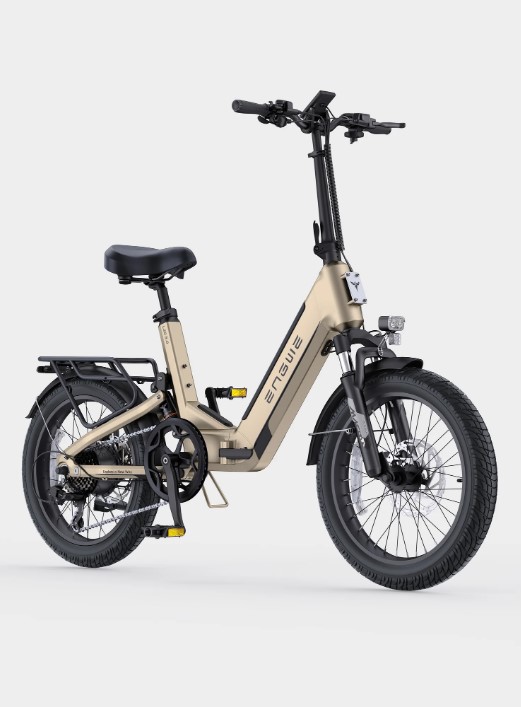
The ENGWE approach focuses on balancing power with portability. By utilizing fat tires, these bikes tackle the rugged aspects of local infrastructure, while the folding mechanism addresses the storage limitations often found in city living. They are particularly well-suited for riders who refuse to let terrain or weather dictate their schedule.
What Real Customers Say About ENGWE
Don't just take our word for it. Here's what verified buyers are saying:

Shipping & Delivery Information
When ordering an e-bike, understanding the logistics is vital. ENGWE provides a transparent shipping process to ensure your bike arrives in ready-to-ride condition. Processing typically takes 1-2 business days, followed by estimated transit times (3-7 business days for the United States, with varying times for other regions). Please note that this estimation covers domestic shipping based on standard experiences and does not include processing time. Always ensure you are checking the latest shipping updates on their official policy page to get the most accurate information for your specific location.


Social Plugin