
Are Ebikes Illegal? Understanding E-bike Laws and Regulations
The popularity of electric bicycles has surged, offering a sustainable and efficient mode of transportation. However, with this rise in popularity comes confusion regarding the legal status of e-bikes. Many potential riders frequently ask, "Are ebikes illegal?" The answer is rarely a simple yes or no; it depends heavily on the classification of the bike, the local jurisdiction, and how the bike is used.
The Three-Class System
To understand the legality, you must first understand how authorities classify e-bikes. In many parts of the United States and Europe, e-bikes are categorized into three distinct classes:
- Class 1: Pedal-assist only, with no throttle. Top assisted speed is 20 mph. These are widely accepted on most bike paths.
- Class 2: Equipped with a throttle that allows the bike to move without pedaling. Top speed is also 20 mph.
- Class 3: Pedal-assist only (or with throttle in some regions), capable of reaching up to 28 mph. These are often subject to stricter regulations.
Why E-bikes Might Be Considered "Illegal"
E-bikes aren't usually illegal to own, but they can be illegal to operate in specific environments if they exceed defined power or speed limits. Issues often arise when riders modify their bikes to exceed factory speed limiters. A bike that reaches 35 mph or more may be legally classified as a moped or motorcycle, requiring registration, insurance, and a driver's license.
Key Factors Influencing Legality
Before purchasing an electric mountain bike, consider these critical factors to ensure your riding experience remains compliant with local law:
- Motor Wattage: Many regions limit motors to 750W. Anything exceeding this might fall into a different legal vehicle category.
- Throttle Usage: Some trails prohibit throttles entirely, limiting access to Class 1 pedal-assist models.
- Age Requirements: Some jurisdictions have minimum age requirements for operating Class 3 e-bikes.
- Equipment Standards: Mandatory use of helmets, lights, and reflectors is common in many states and cities.
Comparison: Standard Mountain Bikes vs. Fat Tire E-bikes
| Feature | Standard Mountain Bike | Fat Tire Electric Bike |
|---|---|---|
| Power Source | Human-powered | Electric Motor + Human |
| Terrain Versatility | High | Very High (Snow, Sand, Mud) |
| Legal Status | Universal | Dependent on Class/Speed |
| Maintenance | Lower | Moderate (Battery/Motor care) |
Choosing the Right E-bike for Your Needs
When selecting a bike, prioritize your intended use. If you plan to ride on groomed forest service roads, a robust mountain bike is essential. For those who prioritize off-road capability, the Vtuvia SN100 offers a powerful 750W motor and fat tires, which are ideal for handling uneven, rugged terrain. Understanding that this model is designed for off-road performance helps you adhere to local trail regulations by using the bike in the appropriate settings.
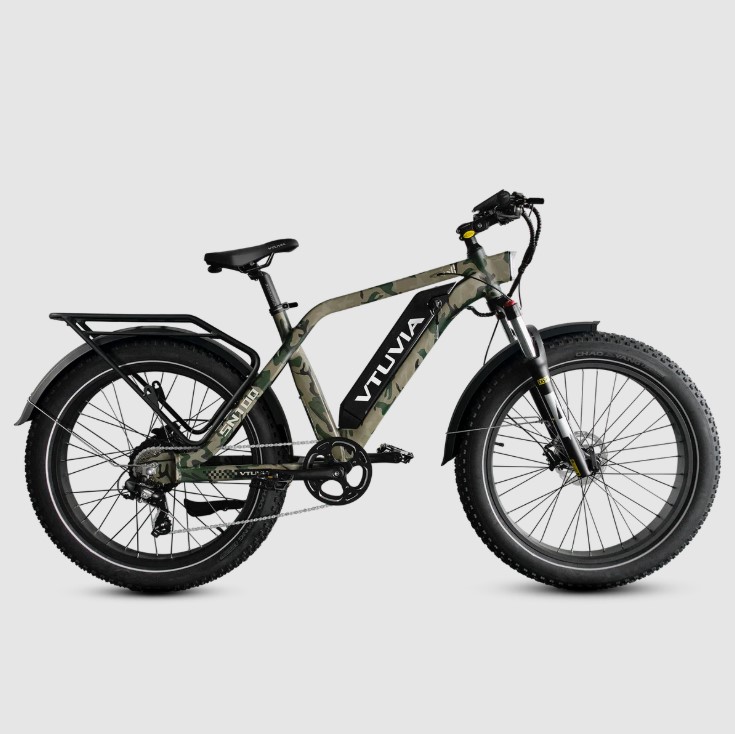
If you're interested in this option, the official store often provides the latest promotions to help you get started with the right gear.
🔥 Limited-Time Official Discount
Check today's official price and available promotions before stock changes.
🚴 Check Today's Price✅ Official Store ✓ Secure Checkout ✓ Fast Shipping
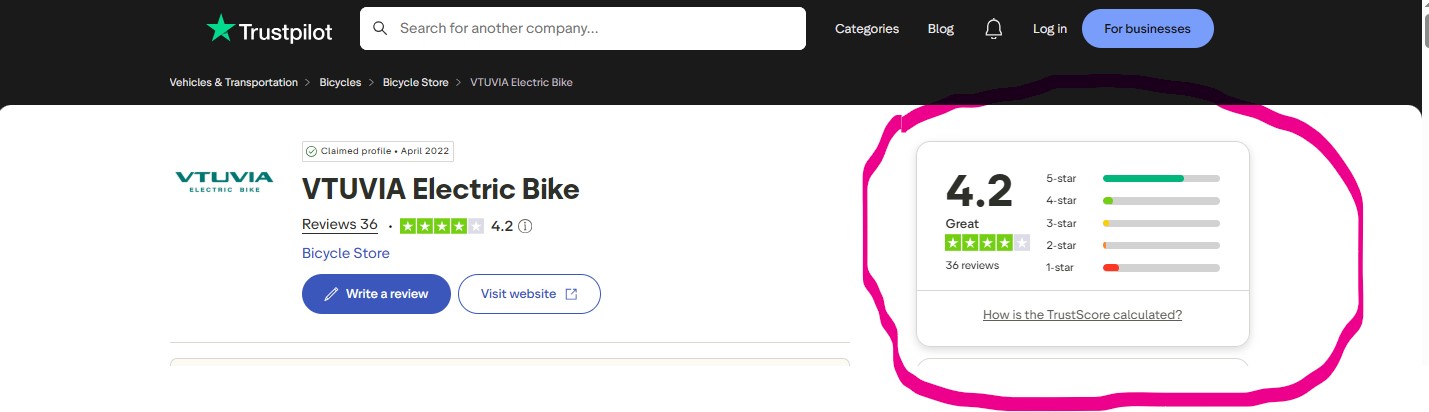
Trust and Quality: What Users Say
🔥 Limited-Time Official Discount
Check today's official price and available promotions before stock changes.
🚴 Check Today's PriceFrequently Asked Questions
1. Are e-bikes considered motor vehicles?
In most legal contexts, low-speed electric bicycles that meet specific criteria (such as wattage and speed limits) are treated more like traditional bicycles than motor vehicles. However, if they exceed these limits, they may be reclassified as motor vehicles, requiring different registration and safety equipment.
2. Can I get a ticket for riding my e-bike on a sidewalk?
Yes. In many cities, operating an e-bike on sidewalks is illegal because they are intended for pedestrians. Always check local municipal codes, as ordinances vary significantly from one city to another.
3. Is the Vtuvia SN100 street-legal?
The Vtuvia SN100 is designed as a performance hunting e-bike. Whether it is "street-legal" depends on your local state laws regarding Class 2 or 3 e-bikes. Always ensure you are following local guidelines regarding throttle use and speed limits.
4. Do I need a driver's license for an e-bike?
Generally, no. Most states do not require a driver's license to operate a standard Class 1, 2, or 3 e-bike. However, if your bike exceeds the power or speed thresholds defined by your state, you may be required to have a motorcycle license.
5. Can I modify my e-bike to go faster?
While technically possible, modifying an e-bike's speed limiter often makes it illegal to operate on public roads or bike paths. It may also void your manufacturer's warranty and pose safety risks due to components not being rated for higher speeds.
6. Are fat tire e-bikes legal on beaches?
This depends on local beach ordinances. While fat tires are excellent for sand, many local governments restrict motorized vehicles on beaches to protect wildlife or pedestrians. Always look for signage indicating "no motorized vehicles."
7. What is the most important legal tip for e-bike owners?
The best advice is to know your local "e-bike class" legislation. Many states have adopted a three-class system. Knowing which class your bike belongs to will tell you exactly where you are legally allowed to ride.
8. How do I maintain my e-bike battery for longevity?
Keep your battery charged between 20% and 80% for long-term storage. Avoid leaving the battery in extreme heat or cold. Regular maintenance ensures your bike continues to operate within the factory settings, keeping you compliant with speed and power output regulations.


Social Plugin