
E-Bike Rules: Understanding the Regulations for Commuters
The rise of e-bikes has transformed urban mobility, offering a greener, more efficient alternative to traditional commuting. However, with the rapid growth of the electric bicycle market, confusion regarding the legal landscape is common. Understanding e-bike rules is essential for every rider to ensure safety, compliance with local laws, and peace of mind during your daily travels.
The Three-Class E-Bike System
Most jurisdictions in the United States and many other regions have adopted a standardized classification system to define e-bikes. This system helps lawmakers and riders determine where an e-bike can be used—such as on bike paths, roads, or mountain bike trails—and what safety equipment is required.
- Class 1: Pedal-assist only, with no throttle. The motor provides assistance only when the rider is pedaling, and it stops at 20 mph.
- Class 2: These bikes feature a throttle-actuated motor, which can propel the bike without pedaling. Like Class 1, the motor stops assisting at 20 mph.
- Class 3: Often referred to as "speed pedelecs," these are pedal-assist only (no throttle) and can reach speeds of up to 28 mph.
Safety and Compliance Considerations
Beyond classifications, riders must adhere to local rules regarding helmets, age restrictions, and lighting. In many urban environments, e-bikes are subject to the same traffic laws as standard bicycles. This means obeying stop signs, signaling turns, and riding in the same direction as traffic. Wearing a helmet is not only a common legal requirement for younger riders but also a critical safety necessity for all commuters.
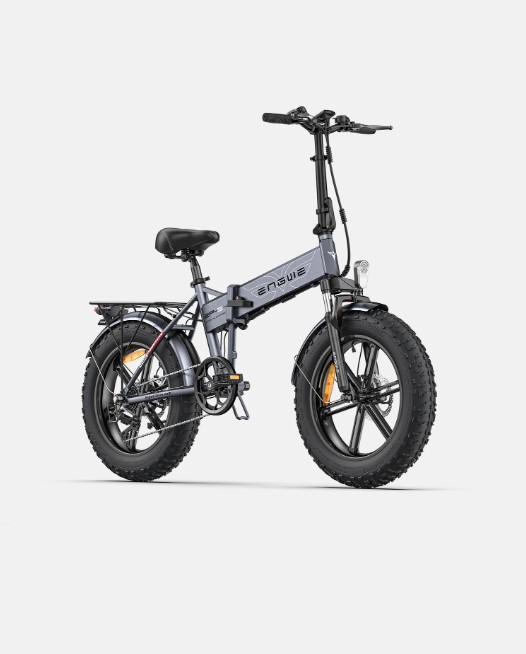
Comparing Commuter E-Bike Features
| Feature | Standard Commuter | Folding E-Bike | Fat Tire E-Bike |
|---|---|---|---|
| Portability | Low | High | Medium |
| Terrain | Pavement | Urban/Mixed | All-Terrain |
| Ideal For | Long commutes | Small apartments | Rough roads/Snow |
Choosing the right e-bike depends on your specific commute. If you live in a high-rise or need to bring your bike onto public transit, a folding model is superior. If your commute involves traversing gravel or uneven surfaces, a fat-tire model offers stability and comfort that standard commuter bikes cannot match.
Introducing the ENGWE Commuter Experience
Among the options designed for modern commuters, the ENGWE series stands out for its balance of performance and accessibility. Models like the ENGWE T14 are specifically engineered for urban riders who value space-saving designs without compromising on motor efficiency.
🔥 Limited-Time Official Discount
Check today's official price and available promotions before stock changes.
🚴 Check Today's Price✅ Official Store ✓ Secure Checkout ✓ Fast Shipping
What Real Customers Say About ENGWE

Maintenance and Long-Term Ownership
Maintaining your e-bike is just as important as knowing the rules of the road. Regularly check your tire pressure, brake pads, and battery health. ENGWE bikes, for instance, are designed with user-friendly components that make DIY maintenance feasible for the average commuter. Shipping within the US typically takes 3-7 business days, allowing you to get on the road quickly after your purchase.
Frequently Asked Questions (FAQ)
1. Are e-bikes legal on bike paths?
In most regions, Class 1 and Class 2 e-bikes are permitted on bike paths, but local ordinances vary. Always check your local Department of Transportation website.
2. Do I need a driver's license for an e-bike?
Generally, no. E-bikes are categorized differently than motor vehicles, so a license, registration, and insurance are typically not required.
3. How fast can an e-bike legally go?
Most standard e-bikes are limited to 20 mph, while Class 3 models can assist up to 28 mph.
4. Can I ride an e-bike in the rain?
Yes, most high-quality e-bikes are water-resistant. However, avoid submerging the battery or motor in deep water to prevent damage.
5. How do I choose the right frame size?
Look at the manufacturer's height recommendation chart. Many folding bikes feature adjustable seat posts and handlebars to accommodate a wide range of heights.
6. What happens if my battery dies mid-ride?
You can continue riding the e-bike just like a traditional bicycle, though it will feel heavier and require more physical effort.
7. Is an e-bike worth the investment?
For most commuters, the time saved in traffic and the reduction in fuel costs make e-bikes a highly cost-effective transportation solution.
8. Where should I store my e-bike?
Store your bike in a dry, temperature-controlled environment. If you live in an apartment, a folding e-bike is an excellent choice for indoor storage.
🔥 Ready to Start Your Commute?
If you're interested in this option, the official store often provides the latest promotions.
🚴 Check Official Deals

Social Plugin