
Taking a Folding E-bike on a Train: A Comprehensive Guide for Commuters
For modern urban commuters, the combination of cycling and public transit—often called "intermodal commuting"—is the gold standard for efficiency. By utilizing a folding e-bike on a train, you bridge the "last mile" gap that often makes transit inconvenient. Whether you are avoiding heavy city traffic or simply looking to extend your range, understanding how to integrate your e-bike into your train journey is essential.
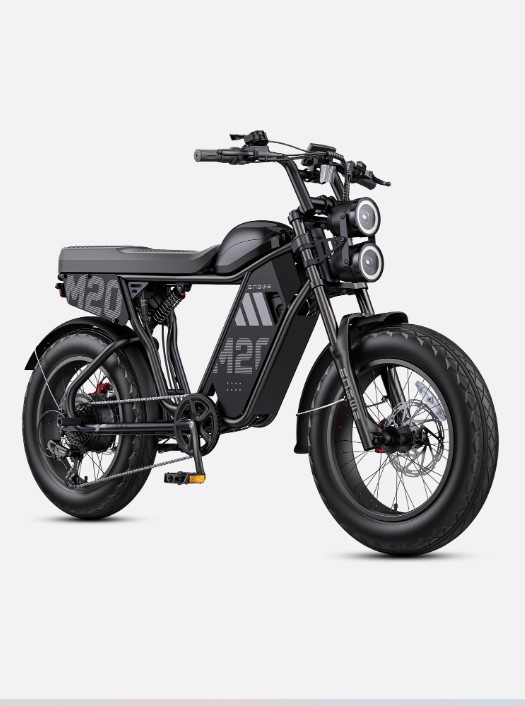
Why Choose a Folding E-bike for Train Travel?
The primary advantage of a folding e-bike is its portability. Unlike traditional mountain bikes or full-sized road bikes, which often require special passes, expensive storage racks, or are prohibited during peak hours, a folding bike can often be treated as "luggage" if stored in a carrying bag. This significantly expands your mobility options, allowing you to bypass station-to-office distances that would otherwise require a long walk or a bus transfer.
Key Considerations Before You Board
Before planning your trip, consider these critical factors to ensure a seamless experience:
- Weight and Maneuverability: Even if a bike folds, it still has weight. You need to be able to lift it onto a train platform comfortably.
- Folding Speed: In a busy station, you don't have five minutes to tinker with hinges. Look for models that fold in seconds.
- Regulatory Compliance: Check with your local transit authority. Some systems require bikes to be fully encased in a bag to be considered "luggage."
- Battery Safety: Modern e-bikes use lithium-ion batteries. Always ensure your battery is securely locked, or consider removing it if the train operator requires it for safety protocols.
Comparison: Folding E-Bikes vs. Full-Size Alternatives
| Feature | Folding E-Bike | Full-Size E-Bike |
|---|---|---|
| Portability | High | Low |
| Storage | Under seats/Desks | Rack Required |
| Ease of Use | Easy to carry | Bulky/Heavy |
| Transit Friendly | Usually allowed | Restricted |
Selecting the Right E-Bike for Your Daily Commute
When selecting an e-bike that handles both terrain and train travel, you need a balance of power and portability. Models that offer sturdy frames while remaining compact enough to store are ideal. If your commute involves uneven city streets or light trails, choosing a model with high-performance motor capabilities ensures you arrive at your destination without excessive physical exertion.
If you are looking for a high-performance, versatile solution that fits into your active lifestyle, it is worth checking today's official offer.
🔥 Limited-Time Official Discount
Check today's official price and available promotions before stock changes.
🚴 Check Today's Price✅ Official Store ✓ Secure Checkout ✓ Fast Shipping
What Real Customers Say About ENGWE

🔥 Limited-Time Official Discount
Ensure you have the right gear for your commute. Check today's official availability.
🚴 Check Today's PriceMaintenance and Long-Term Care
Owning an e-bike that spends time on a train requires specific maintenance habits. The constant folding and unfolding can put stress on hinges and cabling. Regularly check that all quick-release levers are tight and that the folding mechanism is free of debris. Additionally, keep your chain lubricated, as a train commute often involves various weather conditions. Shipping and delivery for premium models like those from ENGWE typically take 3-7 business days, with processing times of 1-2 days, ensuring you get your reliable commuter bike quickly.
Frequently Asked Questions
1. Is it legal to take an e-bike on a train?
Most transit authorities allow folding bikes as long as they are folded and, in some cases, placed in a protective bag. Always check your local rail operator's specific bike policy before your first trip.
2. How much does a foldable e-bike usually weigh?
Most folding e-bikes weigh between 40 and 65 pounds. Choosing a model that balances power with weight is crucial for those who have to carry the bike up stairs at train stations.
3. Can I take the battery on the train?
Usually, yes. In some regions, transit authorities prefer you to remove the battery and carry it separately to comply with fire safety regulations. Always keep your battery secure.
4. Will my e-bike fit under a train seat?
It depends on the model. Very compact folding bikes can fit under seats, but most larger-wheeled folding e-bikes will need to be placed in the designated luggage area or standing room.
5. How long does the battery last on a commute?
High-quality e-bikes typically offer a range of 30-50 miles per charge. For most urban commuters, this is more than enough for a round trip without needing to recharge at the office.
6. Is a folding e-bike durable enough for daily use?
Yes, modern folding e-bikes are engineered for the rigors of daily commuting. The hinges and frames are stress-tested to ensure safety and durability over thousands of miles.
7. What if the folding mechanism fails?
High-quality manufacturers provide comprehensive warranties. Always check the warranty terms—often 1-2 years—before purchasing to ensure you have coverage for structural components.
8. Does folding my bike ruin the alignment?
Not if the bike is designed well. Properly tensioned folding latches and well-engineered frames ensure that the wheels stay aligned every time you unfold the bike for your ride.


Social Plugin